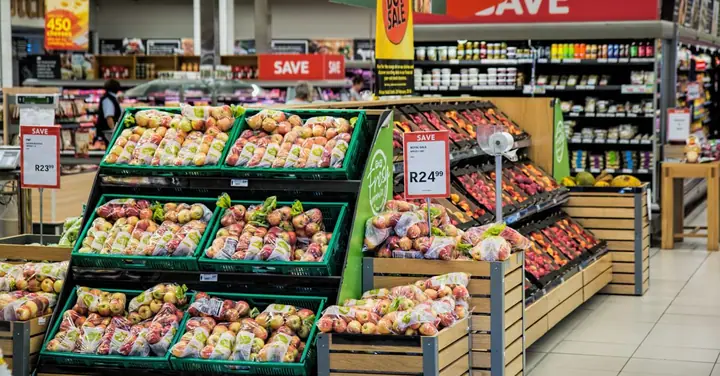
What retail data can reveal
Transactions, searches, and loyalty activity help retailers understand demand. The same data can improve stock decisions while raising questions about how much information shoppers knowingly share.
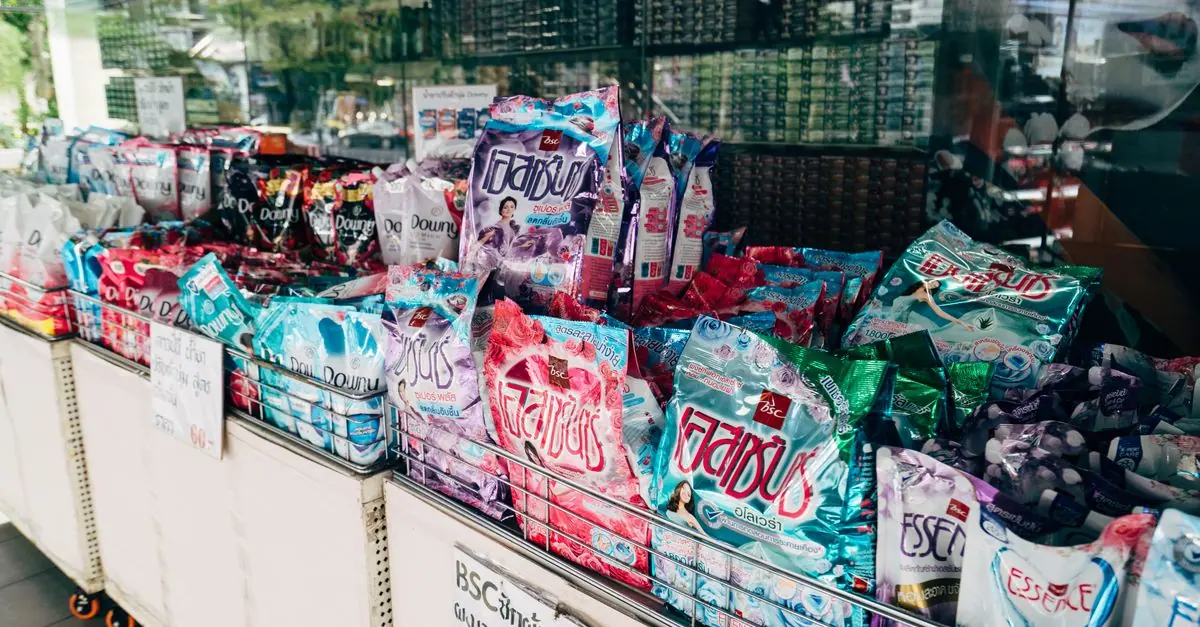
Sales totals and personal trails
A retailer notices that a popular item often sells out before a weekend. Better demand records can improve replenishment. If the pattern is linked to individual loyalty accounts, the shopper may reasonably ask how long that personal history is kept and how it is used.
Where profiling enters
Read the information a loyalty program or shopping app collects and the choices offered for marketing. Separate data needed to complete an order from optional profiling features.
The optional-data test
Draw two columns called store-level and account-level. Put typical information such as item totals, search history, delivery address, and redemption activity in the appropriate column. For each account-level item, ask what benefit it provides and whether a control exists.

How demand records help
Aggregate versus linked
Not all retail data is personal. Aggregate sales can show how many units moved in a store, while account-linked records can describe a customer's visits and purchases. Retailers may use those records for inventory, recommendations, promotions, and measuring campaigns. A useful privacy question is which data is collected, whether it is linked to an identity, who can access it, and what choices a shopper has. Benefits are real: better stock planning can reduce missed sales and waste. Risks depend on the design of the system and its safeguards. Avoid treating the word data as one uniform category. The difference between a weekly total and a detailed profile is central to understanding the trade-off.
Questions a shopper can ask
Privacy practices differ by retailer and service. A broad claim about using data responsibly is not a substitute for the specific notice and available settings.