The path of a returned item
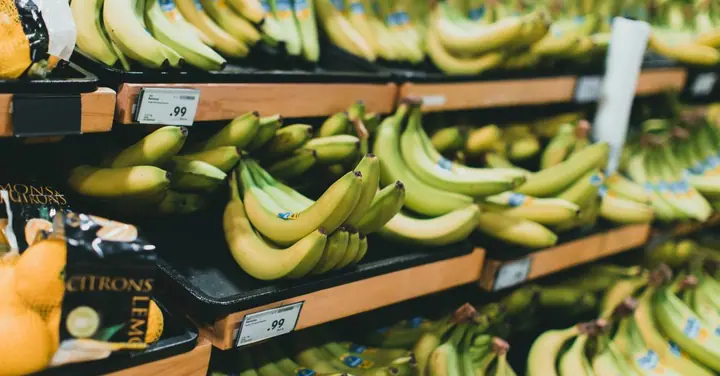
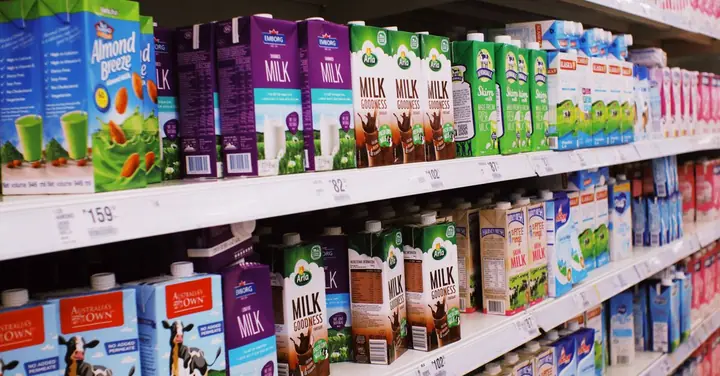
A return does not always go straight back onto a shelf. Inspection, repackaging, resale, recycling, or disposal may follow.
Condition determines the route
A refund is not an outcome
The route depends on product condition, safety rules, merchant systems, and transport economics. Some goods need testing before resale; others cannot be sold again as new. Retailers may use outlet channels or specialist partners for recovered value. Public claims about returns should distinguish one product category from the whole market.
Return begins at the counter
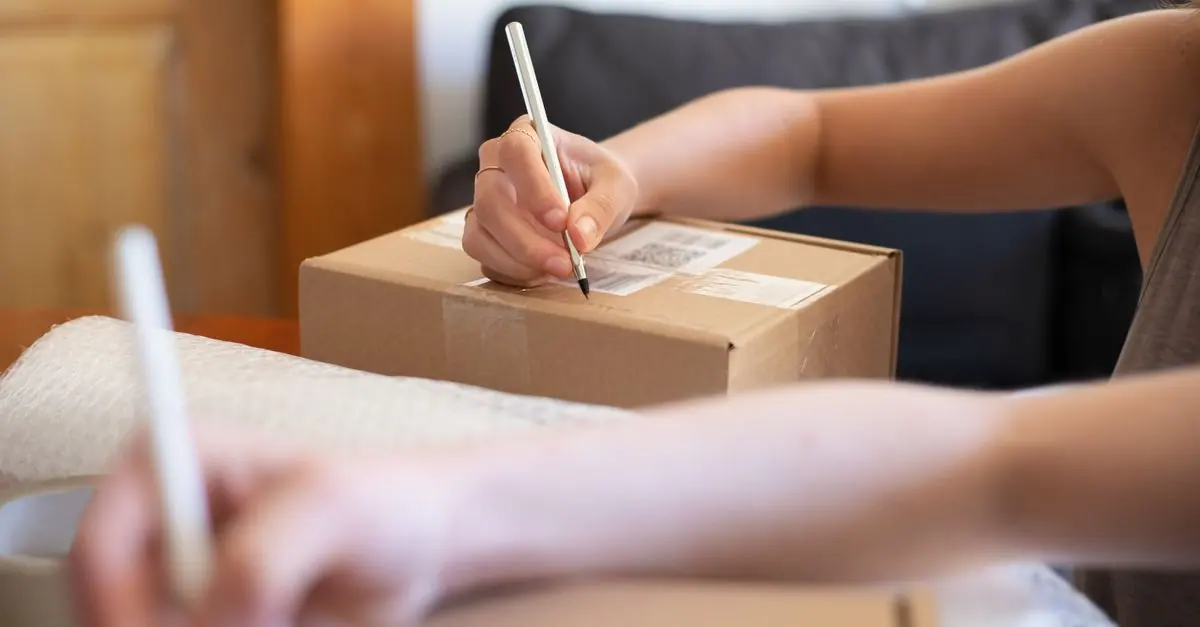
An unopened item is returned to a nearby store and can be checked quickly. A damaged online return may travel to a processing center before anyone decides whether it can be resold.

The economics of recovery
When assessing a retailer's sustainability claim, look for a reported method and categories rather than a single broad percentage.
Safety can limit resale
Trace one item's return policy from customer handoff to refund. Which steps are described, and which remain invisible?
What public claims leave out
Do not assume a refund means the item was reused or wasted. The physical outcome requires evidence beyond the customer receipt.